Parameters
ConditionNew
Product description
Germany's role in a new world order
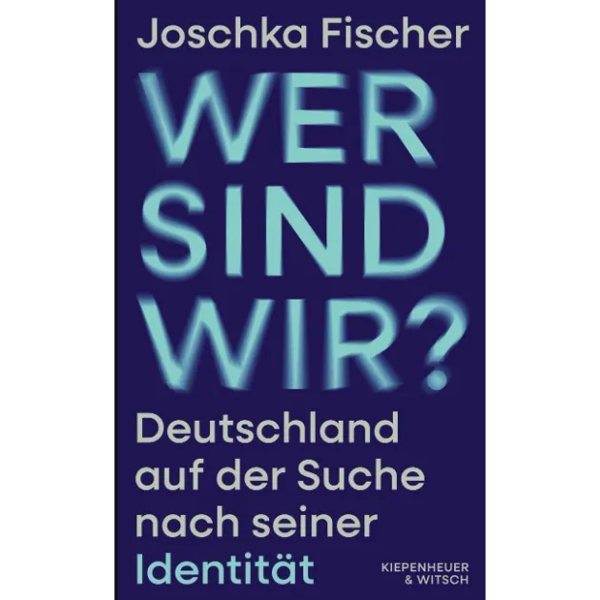
Increase in the defense budget? Reintroduction of conscription? European nuclear deterrence? An in-depth analysis of German politics in times of global upheaval.
After the first quarter of the 21st century, it is unmistakable - the world is undergoing radical geopolitical, technological and economic transformations: the intensified rivalry between major world powers, the revolution of artificial intelligence, the rise of the global South.
What does this mean for today's Germany, for the country in the middle of Europe, still the third strongest industrial nation in the world, but almost invisible as a military power due to its shattered history? Can this remain the case in the face of new military threats to Europe, in view of the withdrawal of the United States as a guarantor power and the danger of falling behind technologically and economically? The secret of Germany's resurgence after 1945 was the trust that the former war opponents placed in the country in the centre of Europe.
Former Foreign Minister Joschka Fischer shows what it means today to continue to live up to this trust and at the same time to courageously face the completely new threats of the 21st century - military, technological and political.
Biography
Joschka Fischer, born in 1948, was German Foreign Minister and Vice-Chancellor from 1998 to 2005. He is one of the founders of the Green Party and one of the most important German politicians of his generation.
New product
Joschka Fischer: Who are we? Book New

Sign in to see user's data
€23.00
Article number1005140
Payment methods
Please log in to see payment methods.
Location
See
Category tags


